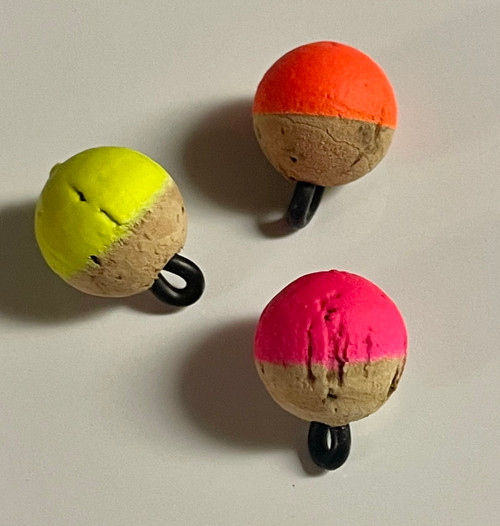
 |
Rating: [5 of 5] Reviewed by: troutbum PA on 10/27/2008 Experience Level: Amatuer - Ownership: 4 - 12 Months |
 |
 |
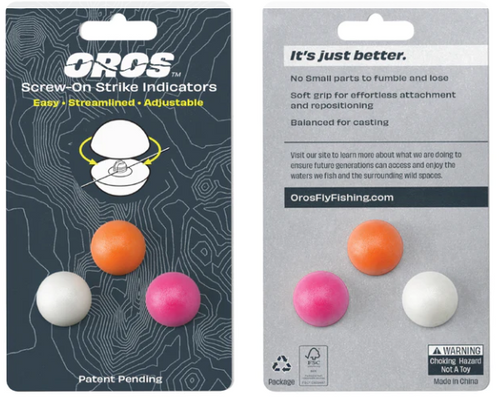
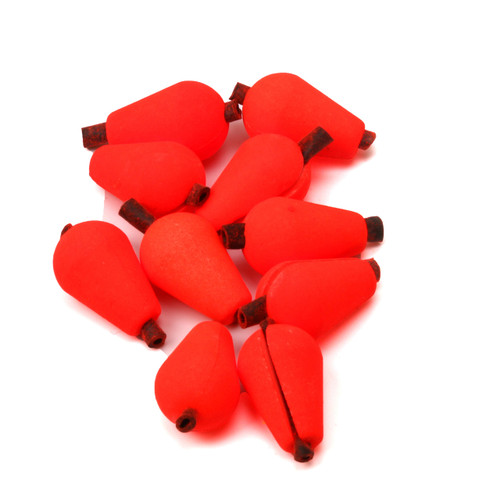
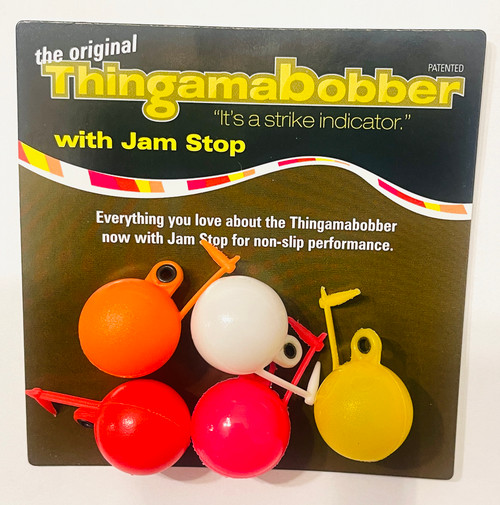
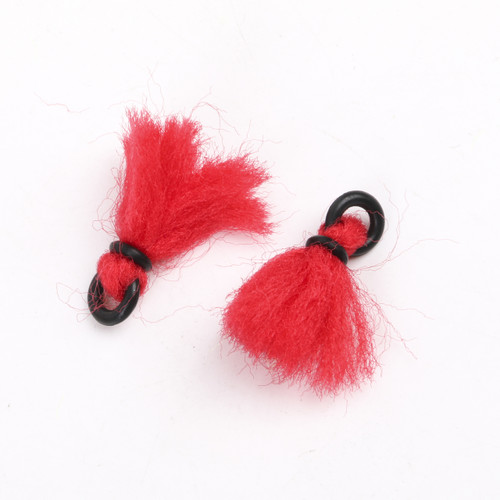
Pros: The Thingamabobber is the best "thing" to happen to indicators in 30 years. When used as described below it is the most buoyant and sensitive indicator made. Having used balloons for the last couple of years for their sensitivity and value, I found that the Thing fixed all the problems of balloons. Balloons can break, change size with changing temperature, and will often deflate overnight. They are also cumbersome to attach in a way to make them most sensitive. The Things' advantages over yarn are buoyancy, sensitivity, less drag fighting a fish for comparable buoyancy, ease of casting, less grabby for fewer tangles, and they are cheaper than the best yarn indicators. The Thing is inexpensive enough to own various sizes and colors for whatever situation. |
 |
 |
Cons: Carrying a range of sizes and colors might take more space than some yarn alternatives. As with any indicator, rigging for highest sensitivity makes depth adjustment more difficult. The larger sizes look like a bobber. |
 |
 |
Other Thoughts: The way to rig the indicator for best sensitivity uses a fixed depth approach. Attach the Thing via a loop knot to 12-18 inches of floating butt section. I use 15 lb Maxima for an indicator butt section. Onto the loop, not the Thing, tie on a SINGLE DIAMETER flourocarbon tippet/leader of the appropriate length for the water you are fishing. Tying the leader to the loop increases sensitivity and reduces breakoffs at the indicator. Using one diameter improves sinking qualities in the water. With a surgeon's knot or blood knot tie on a section of flourocarbon one size small than the main leader. That knot will keep your (non-lead) split shot from sliding down. I tie the point fly from 12-18 inches below the shot knot. Depending on the situation I tie a dropper fly on a dropper section of flourocarbon tippet one size smaller than the point fly section. I tie the dropper tipper off the point fly bend. Choose flourocarbon sizes, shot size, and point fly and dropper fly sizes to match your fishing situation. Make depth adjustments with shot size, mending, and more or less downstream casting... |
 |
|